Anthony Handbrush: A Digital-Friendly Script Font for Branded Web Experiences
As a web designer working across landing pages, SaaS interfaces, and online stores, typeface selection is a critical first step in establishing a project's visual identity. The right font sets a tone, guides user behavior, and builds trust before a user even reads a word of copy. Among script and handwritten styles, Anthony Handbrush stands out for its uniquely digital-friendly character.
The Casual Personality of Anthony Handbrush
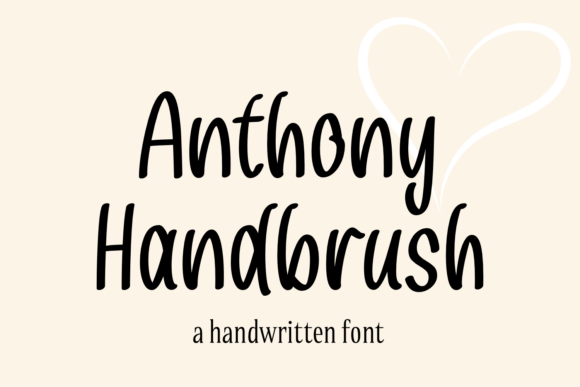
Anthony Handbrush is a script font designed with a natural, slightly uneven stroke quality. Unlike many overly rigid or artificially casual handwritten fonts, its letters have a genuine, playful rhythm. This gives it a friendly and personal touch, but crucially, it retains enough structure to perform well in digital layouts. The result is a font that feels human and approachable without sacrificing the clarity needed for web usability.
In the crowded category of Script Amp fonts, this balance is rare. Many decorative fonts are beautiful in static graphics but fail in responsive environments where letter spacing and legibility are paramount. Anthony Handbrush’s design considers this digital context, making it a practical choice for designers who need personality and performance.
Implementing Anthony Handbrush in Web Layouts
For digital creators, a font’s role defines its placement. Anthony Handbrush is, by nature, a display font. Its strength lies in grabbing attention and conveying mood. Therefore, it excels in specific areas of a page where emotion and brand tone are primary.
Hero Sections & Landing Page Headers
Your main headline is the first brand impression. Using Anthony Handbrush here instantly communicates creativity, warmth, or a handmade ethos. For a creative portfolio, a boutique e-commerce site, or a coaching service landing page, this font in the hero title creates an immediate, personal connection. Pair it with a crisp, supporting sub-headline in a neutral sans serif for clear visual hierarchy.
Call-to-Action Accents & Button Text
While not typically suited for long body text, Anthony Handbrush can be powerful on key interactive elements. Consider using it for a short, impactful phrase on a primary button, like “Get Your Guide” or “Start Creating.” This draws the eye and makes the action feel more inviting. Ensure the button size is generous and the text has ample padding for readability, especially on mobile.
Brand Graphics & Content Sections
Beyond headers, this font shines in branded graphic elements. Use it for section titles in a blog, quotes pulled out in a course sales page, or labels in a digital ad banner. It provides consistent visual flavor across a site, reinforcing a cohesive online identity without overwhelming the user.
Readability and Responsive Considerations
Any decorative font demands careful implementation to maintain readability. For Anthony Handbrush, follow these practical guidelines:
- Size and Spacing: Use it at a sufficiently large size. In hero areas, 40px or larger on desktop ensures the handwritten details are clear. Increase letter-spacing slightly if the font feels tight at smaller sizes.
- Mobile Scaling: On responsive sites, test its appearance on phones. It may require a larger minimum size or a fallback to a simpler font for very small viewports to maintain legibility.
- Background Contrast: Ensure high contrast. The font's casual strokes can blur on low-contrast backgrounds, like light grey text on a white image overlay. Use it on solid, contrasting backgrounds or dark overlays on images.
- Limited Length: Reserve it for short phrases—single words to a line of text. Long paragraphs in this style would hinder scanning and slow down user engagement.
Crafting a Typographic System: Font Pairing
A successful web typography system relies on pairing a distinctive display font with a highly readable supporting font. Anthony Handbrush’s playful style needs a counterbalance for body copy and UI elements.
- With Sans Serif Fonts: A clean, geometric sans serif (like Inter, Poppins, or System fonts) is the most versatile pairing. It provides modern clarity for paragraphs, interface labels, and navigation, letting the script font own the emotional highlights.
- With Serif Fonts: For a more editorial or classic digital identity, pair Anthony Handbrush with a contemporary serif. This combination works well for blog sites, digital magazines, or brands wanting a crafted, literary feel.
Remember, the pairing should create contrast without conflict. The supporting font should be neutral enough to let the personality of Anthony Handbrush shine where intended.
Licensing and Technical Integration for Digital Projects
Before committing to a font like Anthony Handbrush for a client project or your own online store, check its technical specs and licensing.
Most importantly, confirm it is available as a webfont (typically in WOFF2 format) for easy integration via CSS. Many premium fonts include this. Verify the included styles—Anthony Handbrush may be a single-weight font, so understand its flexibility. Also, check for multilingual support if your project targets a global audience.
For commercial use across websites, landing pages, and digital templates, a commercial font license is essential. This licenses you to use the font in client work, on live websites, and in digital products you sell. Never use a font with only a personal license for commercial client projects; it risks legal issues and undermines professional trust.
Building a Consistent Brand Identity
Ultimately, a font like Anthony Handbrush is more than a decorative asset. It’s a core component of a brand identity. When used strategically across your website, marketing banners, and social media graphics, it creates a memorable and cohesive visual language. This consistency builds brand recognition and trust, which directly supports user engagement and conversion-focused layouts.
By choosing a digital-friendly script font with inherent warmth and clarity, you equip your projects with a tool that enhances both aesthetics and function. Anthony Handbrush offers that specific blend, allowing designers to inject personality into the user experience without compromising the practical demands of modern web design.